
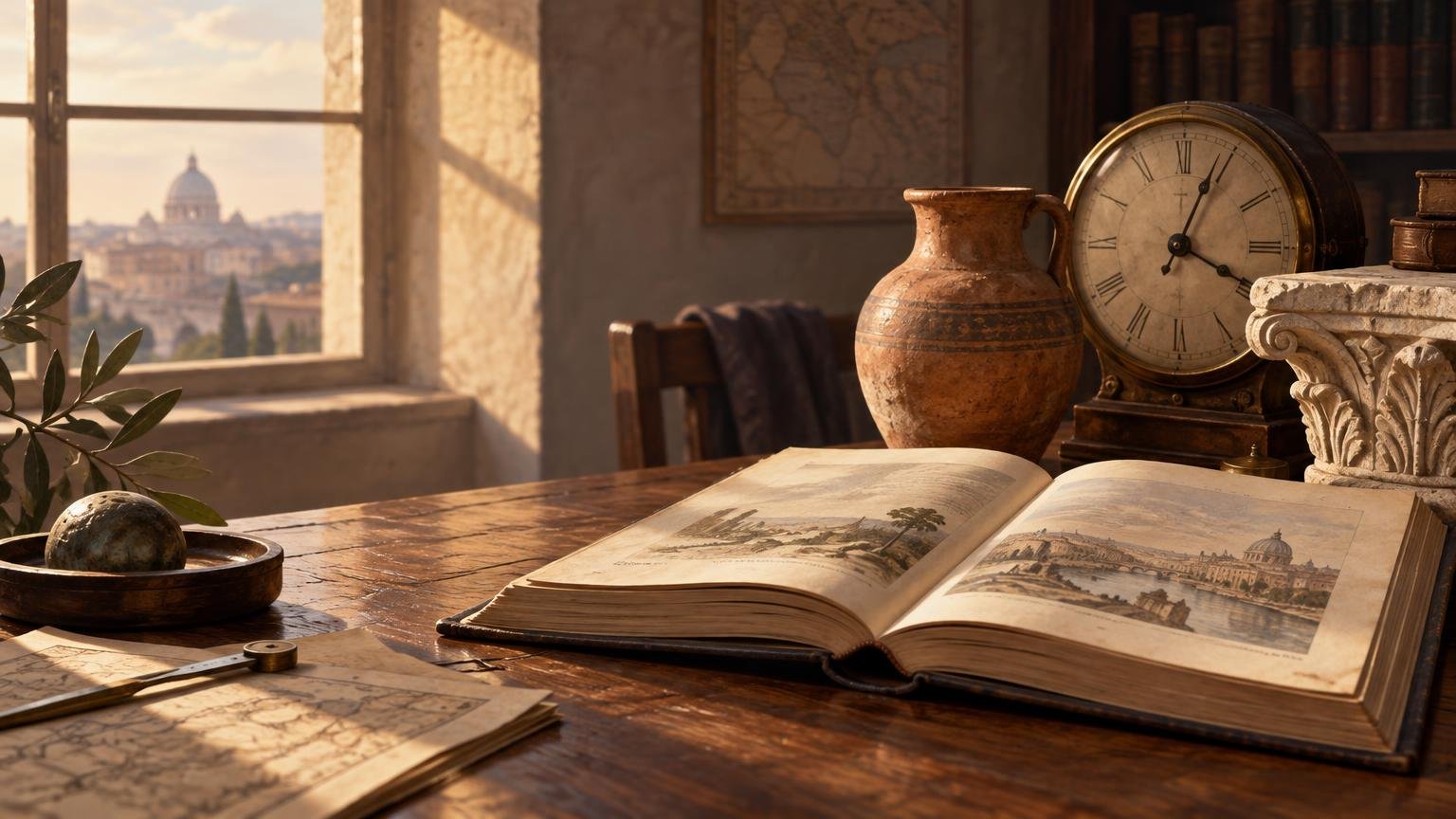
Explore the Past Through Everyday Lives
Discover the everyday details, institutions, inventions, and ideas that explain how people lived and how their worlds changed. Follow vivid, evidence-grounded stories across places and periods.
History begins with how life worked
A room, a timetable, a market, or an ordinary household object can open a useful window into the past. Aim History follows those details into the wider story: the work people did, the institutions they lived with, and the changes that reshaped their communities.
Explore different places and periods through focused questions and vivid explanations grounded in historical evidence. We ask what a system meant in actual lives, how it worked, who benefited or bore its costs, and what best explains the change.
Choose a path into the past
Begin with the detail that catches your attention. Everyday Life is the clearest route into homes and routines; Cities & Civilizations widens the view to neighborhoods, infrastructure, and institutions. Work & Invention follows the tools and systems that changed what people could make, move, preserve, or coordinate.
For questions about rule, rights, taxation, or reform, turn to Power & Politics. War & Conflict connects campaigns to mobilization, resources, civilian experience, and aftermath. People & Ideas explores how arguments, beliefs, and individual choices traveled through particular societies.
Within any category, look first for the place and period. The same institution could work differently across regions or generations, and an experience described for one class, gender, or occupation may not represent everyone. The most useful starting point is a question you want explained, not a date you think you ought to memorize.
Latest stories
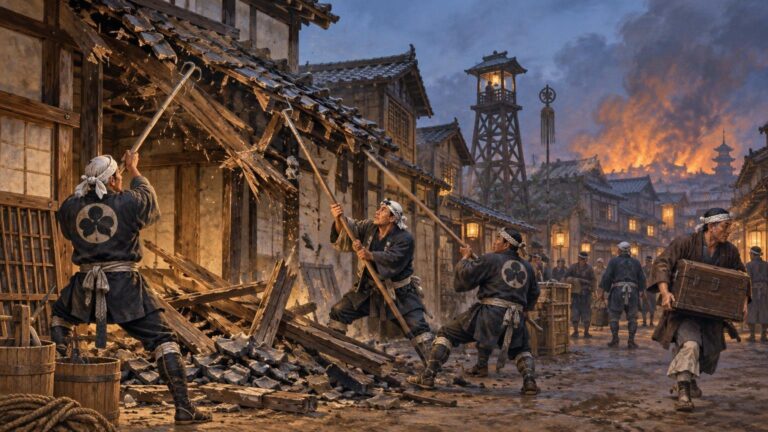
How Edo’s Fire Brigades Responded to a City Built of Wood

Company Scrip in American Mining Towns: How Workers Were Paid

Evidence, context, and historical disagreement
Aim History builds explanations from historical scholarship, archives, museum collections, newspapers, archaeological evidence, and primary documents read in context. Dates, terminology, objects, and contemporary accounts matter because a persuasive story can still misplace a practice, flatten regional differences, or mistake a later memory for evidence from the time.
Where historians offer credible competing interpretations, we explain what separates them and why the disagreement changes the answer. The goal is not to turn every subject into a verdict, but to give readers enough context to see how people faced constraints, made choices, and altered the worlds around them.
The result is history at a human scale: clear about uncertainty, attentive to material conditions, and always connected to the larger forces that made change possible.
Explore Aim History
What kinds of history does Aim History explore?
Aim History explores everyday life, cities and civilizations, work and invention, power and politics, war and conflict, and people and ideas. The focus is on understanding how things worked and what historical change meant in people’s lives.
Who is Aim History written for?
Aim History is for curious readers who enjoy a clear explanation and a good historical story. Articles introduce the context and vocabulary needed to follow the subject, while using specific details to give familiar topics greater depth.
How can I choose a place to begin?
Start with a category that interests you or a question you have about the past. Everyday Life explores ordinary experiences; Cities & Civilizations looks at communities and institutions; Work & Invention follows the tools, systems, and ideas that changed daily life.
How are historical explanations developed?
Articles use relevant historical scholarship, archives, museum collections, primary documents, and other evidence suited to the question. Explanations identify the place and period, show meaningful differences in experience, and discuss interpretations that help readers understand the subject.
How can I contact Aim History?
Email contact@aimhistory.com with a topic suggestion, editorial question, or correction. An article link and the source or detail you want to discuss help give your message useful context.